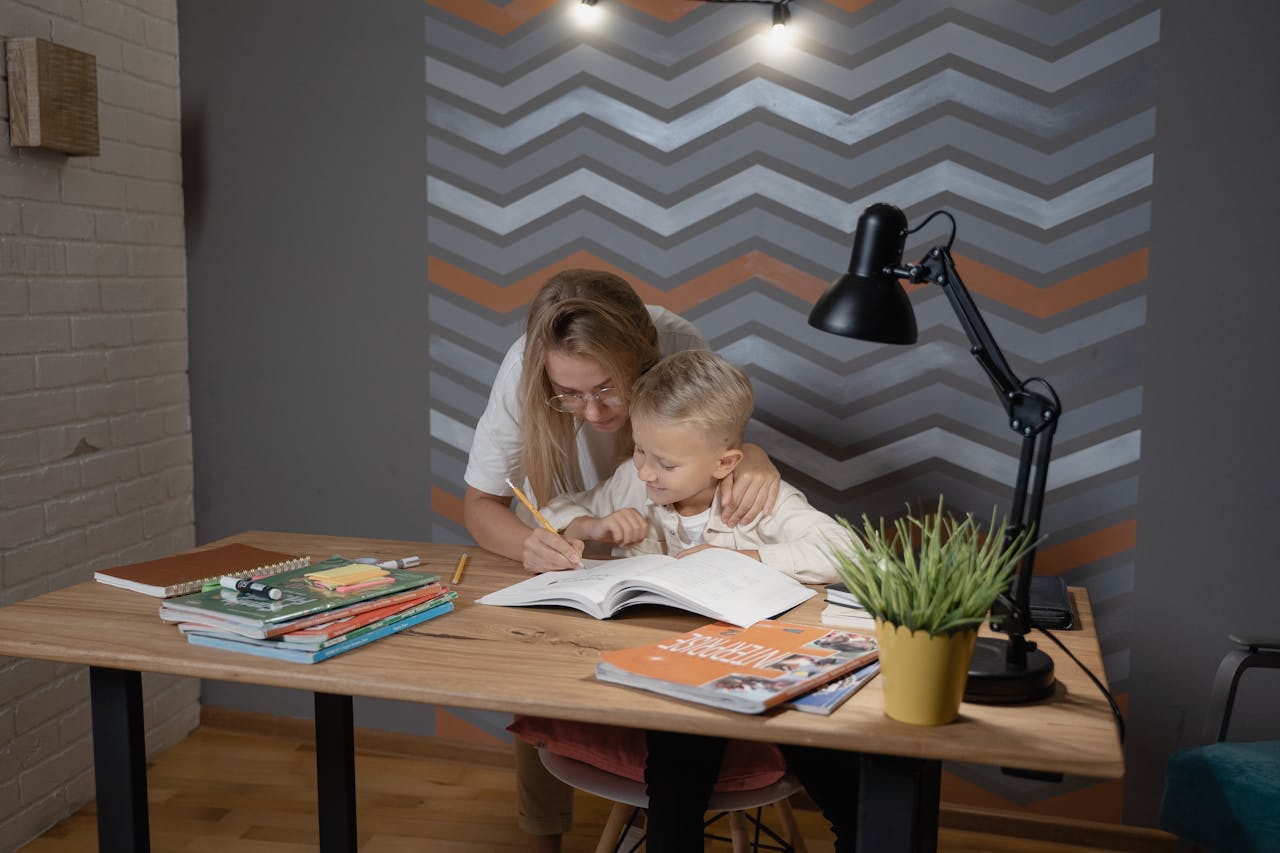
How Montessori Methods Foster Independent Learning in Young Children
Montessori education is recognized for its emphasis on nurturing independence in young learners. This approach empowers young children to take charge of their learning journey by offering carefully prepared environments and thoughtfully designed materials. For parents and educators interested in fostering self-directed growth, understanding the core of Montessori methods is essential. Though the primary focus is on encouraging autonomy, the methods also support holistic development and cultivate a lifelong love for learning.
Encouraging Autonomy Through Child-Centered Environments
One of the foundational elements of Montessori education is the creation of a learning space where children are free to explore and select activities that pique their curiosity. Instead of directing every step, the environment invites youngsters to engage in purposeful tasks, which builds decision-making skills and confidence. Children experience a sense of control over their learning, which propels intrinsic motivation. This atmosphere reduces reliance on adult intervention, allowing young learners to develop problem-solving skills at their own pace. The setup of a Montessori classroom is distinctively organized into areas focusing on practical life, sensory experiences, language, and mathematics. Each area contains materials that are accessible and designed for self-correction, encouraging children to independently discover and master concepts without immediate adult assistance.
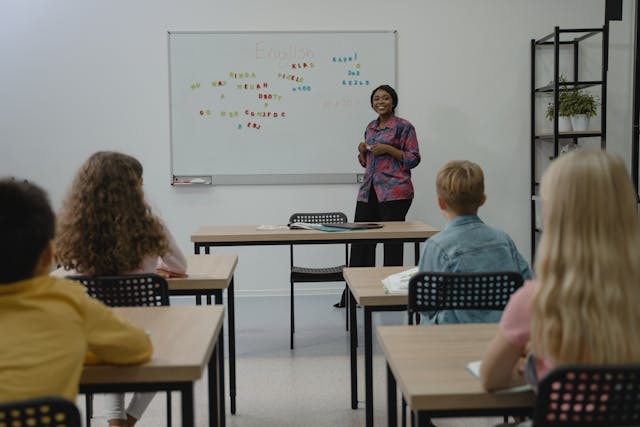
Hands-On Learning Materials That Spark Curiosity
Montessori materials stand apart from conventional classroom tools because they invite active participation rather than passive reception of information. These manipulatives stimulate the senses and invite children to touch, sort, build, and experiment. This hands-on interaction promotes deeper understanding and retention of knowledge. For example, tactile counting beads help children visualize numerical concepts, while puzzles enhance spatial awareness and fine motor coordination. These resources are crafted to gradually increase in difficulty, supporting continuous development and fostering persistence. By interacting directly with these materials, children learn to identify mistakes and correct them, cultivating self-assessment skills crucial for independent learning.
Teacher as a Guide, Not a Director
Unlike traditional education models where teachers lead the class, Montessori instructors assume the role of guides. Their responsibility is to observe children attentively and intervene only when necessary to support the child’s learning trajectory. This approach respects each child’s individual pace and encourages exploration without pressure. The teacher provides subtle cues and introduces new materials when the child shows readiness, ensuring progression without overwhelming them. This method nurtures a respectful relationship between educator and student, where encouragement replaces instruction, empowering children to develop confidence in their abilities.
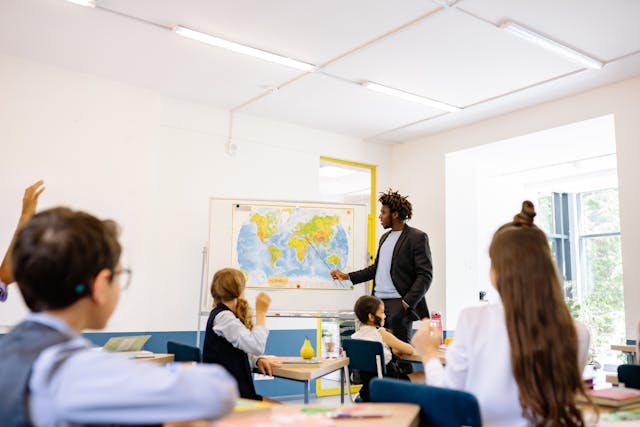
Emphasizing Intrinsic Motivation Over External Rewards
Montessori education discourages the use of extrinsic rewards such as stickers or grades. Instead, it promotes the natural satisfaction derived from mastering a skill or completing a task. This focus on internal motivation helps children develop a genuine interest in learning rather than performing for approval. When children feel intrinsically motivated, they are more likely to engage deeply and persist through challenges. This mindset supports independence by fostering resilience and a proactive attitude toward learning obstacles.
Developing Executive Function Skills Early
The methods incorporated in Montessori classrooms contribute to strengthening executive functions, such as attention control, planning, and working memory. By managing their activities, deciding what to work on, and following through with tasks, children develop self-regulation skills that are vital for independent learning. These capabilities form the foundation for future academic success and personal growth, enabling children to organize themselves effectively and approach new situations with confidence.
Conclusion
Montessori methods cultivate independent learning in young children through thoughtfully designed environments, engaging materials, and a supportive teaching approach that respects individual rhythms. By focusing on autonomy, hands-on experiences, intrinsic motivation, and early development of self-management skills, this educational philosophy lays the groundwork for confident, self-reliant learners. Embracing these principles helps children develop not only academic skills but also the mindset necessary for lifelong exploration and growth.…

 Internships allow aspiring cybersecurity professionals to apply their theoretical understanding in real-world scenarios. It’s one thing to learn about encryption algorithms or network security protocols in a lecture hall. Still, it’s an entirely different experience when you’re tasked with implementing them in an actual system. By working on real projects alongside seasoned industry professionals, interns gain invaluable insights into the challenges and complexities of securing digital assets. They learn how to analyze vulnerabilities, respond to threats, and develop practical solutions—all while adhering to industry best practices and compliance standards.
 While academic programs provide a solid foundation of knowledge, internships bridge the gap between theory and practice, allowing interns to gain hands-on experience in real-world scenarios. During an internship, aspiring cybersecurity professionals have the chance to work alongside experienced mentors who can guide them through different aspects of the industry. This guidance helps interns develop critical thinking skills, problem-solving abilities, and decision-making capabilities that are crucial for success in this field. Additionally, internships expose participants to various tools and technologies used in cybersecurity operations. Moreover, internships often involve collaboration with multidisciplinary teams comprising professionals from diverse backgrounds.
 One of the most obvious benefits of
  One of the most positive impacts of online learning is that it gives children a headstart. By enrolling them in online courses, they are exposed to a more advanced curriculum than traditional schools. This helps them develop critical thinking and problem-solving skills at an early age. It also allows them to be ahead of their peers when they enter the workforce.
 One of the main reasons
  Another great thing about online learning is that it allows students to customize their learning experience. This means that you can choose the pace at which you want to study, the type of courses you want to take, and the order in which you want to take them. This flexibility is perfect for people who learn best in different ways. In addition, online learning is often more affordable than traditional education since you can choose to take only the courses you need.




 Drivers ed is compulsory in some states. In some states, you will be required to take an ed course and pass the test before you can be allowed. However, in some states, you do not have to take the course before you can be allowed to drive.

 There is a vast range of resources online that one can use to broaden their knowledge. Although most of the information may not specifically cover preparation for GP, one should curate and filter only the useful content. Most examiners want to examine how students can tap knowledge from current issues.
 Technology has proved to be a game changer in every aspect of life. Whether you are thinking about business, innovation, communication or any other industry, there is no doubt that technology is now a dominant driving force. It is the same thing when it comes to schools.
 Usually, teachers are not the ones that develop a learning curriculum. They are given an already developed plan which they are supposed to execute. However, everyone knows that these professionals spend most of their time interacting with students. Therefore, nobody understands the needs of students more than teachers do.