

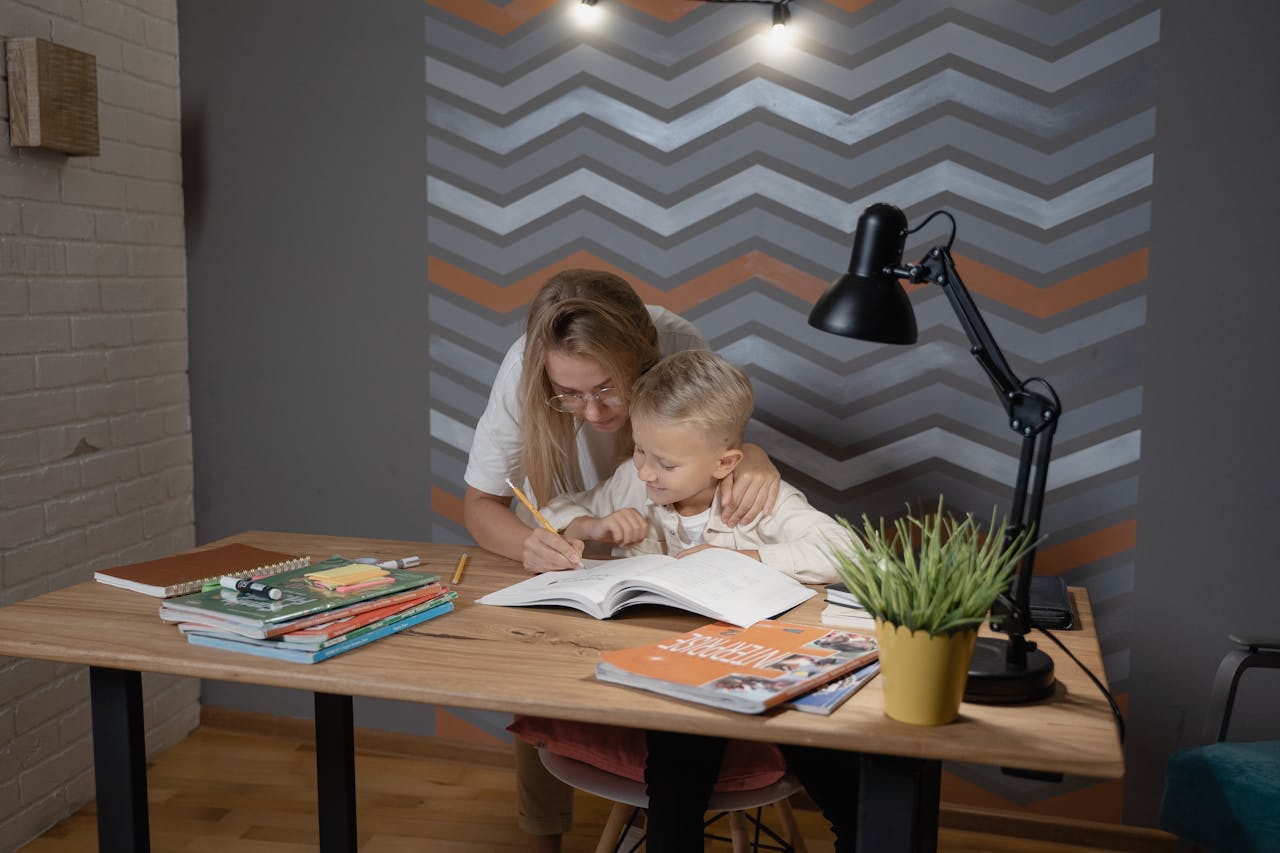
How Montessori Methods Foster Independent Learning in Young Children
Montessori education is recognized for its emphasis on nurturing independence in young learners. This approach empowers young children to take charge of their learning journey by offering carefully prepared environments and thoughtfully designed materials. For parents and educators interested in fostering self-directed growth, understanding the core of Montessori methods is essential. Though the primary focus is on encouraging autonomy, the methods also support holistic development and cultivate a lifelong love for learning.
Encouraging Autonomy Through Child-Centered Environments
One of the foundational elements of Montessori education is the creation of a learning space where children are free to explore and select activities that pique their curiosity. Instead of directing every step, the environment invites youngsters to engage in purposeful tasks, which builds decision-making skills and confidence. Children experience a sense of control over their learning, which propels intrinsic motivation. This atmosphere reduces reliance on adult intervention, allowing young learners to develop problem-solving skills at their own pace. The setup of a Montessori classroom is distinctively organized into areas focusing on practical life, sensory experiences, language, and mathematics. Each area contains materials that are accessible and designed for self-correction, encouraging children to independently discover and master concepts without immediate adult assistance.
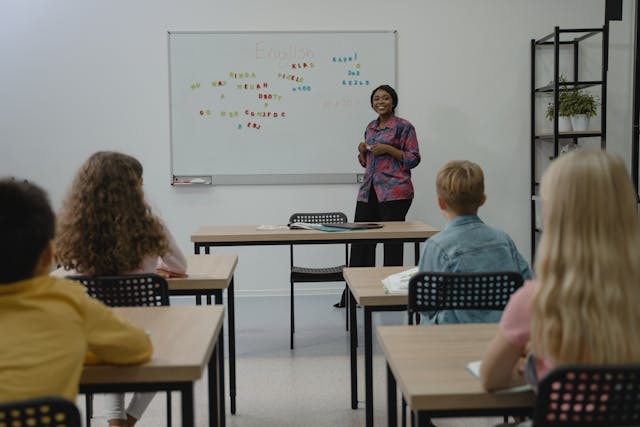
Hands-On Learning Materials That Spark Curiosity
Montessori materials stand apart from conventional classroom tools because they invite active participation rather than passive reception of information. These manipulatives stimulate the senses and invite children to touch, sort, build, and experiment. This hands-on interaction promotes deeper understanding and retention of knowledge. For example, tactile counting beads help children visualize numerical concepts, while puzzles enhance spatial awareness and fine motor coordination. These resources are crafted to gradually increase in difficulty, supporting continuous development and fostering persistence. By interacting directly with these materials, children learn to identify mistakes and correct them, cultivating self-assessment skills crucial for independent learning.
Teacher as a Guide, Not a Director
Unlike traditional education models where teachers lead the class, Montessori instructors assume the role of guides. Their responsibility is to observe children attentively and intervene only when necessary to support the child’s learning trajectory. This approach respects each child’s individual pace and encourages exploration without pressure. The teacher provides subtle cues and introduces new materials when the child shows readiness, ensuring progression without overwhelming them. This method nurtures a respectful relationship between educator and student, where encouragement replaces instruction, empowering children to develop confidence in their abilities.
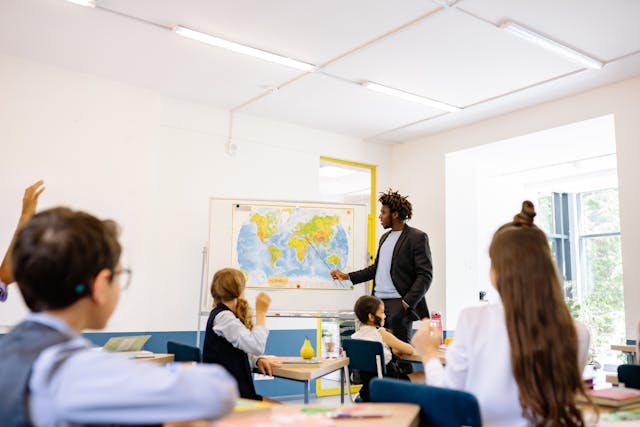
Emphasizing Intrinsic Motivation Over External Rewards
Montessori education discourages the use of extrinsic rewards such as stickers or grades. Instead, it promotes the natural satisfaction derived from mastering a skill or completing a task. This focus on internal motivation helps children develop a genuine interest in learning rather than performing for approval. When children feel intrinsically motivated, they are more likely to engage deeply and persist through challenges. This mindset supports independence by fostering resilience and a proactive attitude toward learning obstacles.
Developing Executive Function Skills Early
The methods incorporated in Montessori classrooms contribute to strengthening executive functions, such as attention control, planning, and working memory. By managing their activities, deciding what to work on, and following through with tasks, children develop self-regulation skills that are vital for independent learning. These capabilities form the foundation for future academic success and personal growth, enabling children to organize themselves effectively and approach new situations with confidence.
Conclusion
Montessori methods cultivate independent learning in young children through thoughtfully designed environments, engaging materials, and a supportive teaching approach that respects individual rhythms. By focusing on autonomy, hands-on experiences, intrinsic motivation, and early development of self-management skills, this educational philosophy lays the groundwork for confident, self-reliant learners. Embracing these principles helps children develop not only academic skills but also the mindset necessary for lifelong exploration and growth.…

 One of the most obvious benefits of
  One of the most positive impacts of online learning is that it gives children a headstart. By enrolling them in online courses, they are exposed to a more advanced curriculum than traditional schools. This helps them develop critical thinking and problem-solving skills at an early age. It also allows them to be ahead of their peers when they enter the workforce.