

Top Education Requirements for Chemical Technicians to Thrive in the Industry
Chemical technicians play a vital role in the chemical industry, from conducting experiments to manufacturing products. But, is consumer non-durables a good career path, like being a chemical technician, for instance? They need to have a strong educational base and skill set to thrive in this industry.
If you aspire to become a chemical technician or are already working as one, you must know that education is crucial for career growth. In today’s post, we will highlight the top education requirements for chemical technicians that can help them succeed in their profession.
Analytical Chemistry
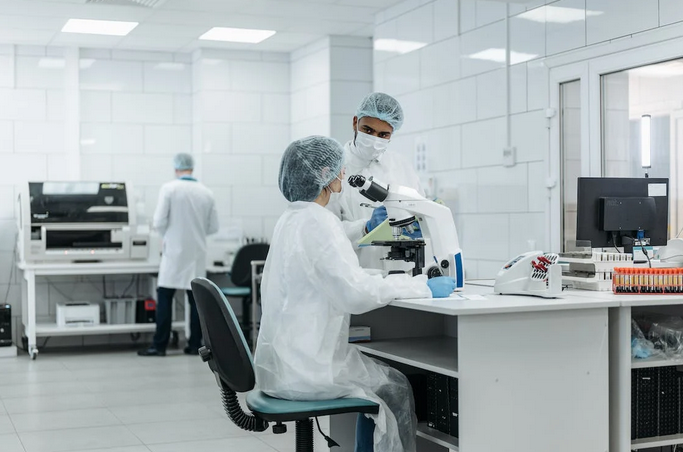
Analytical chemistry is the study of chemical compounds and their properties. Chemical technicians need to be proficient in this area as it helps them to evaluate the purity and quality of substances, troubleshoots problems, and identify solutions.
They should understand how different analytical techniques work, such as spectrometry, chromatography, or electrochemistry. One way for chemical technicians to gain a strong foundation in this curriculum is by pursuing an associate’s degree program that offers courses like quantitative analysis or instrumental methods. Many universities also offer Bachelor’s degrees with concentrations in analytical chemistry. Moreover, laboratory experience plays a crucial role in honing analytical skills.
Quality Assurance and Control
These are other essential requirements for any chemical technician who wants to thrive in the industry. This aspect of chemical technology involves ensuring that all processes, products, and services meet or exceed the quality standards set by regulatory bodies.
One critical aspect of quality assurance is ensuring that all chemicals are manufactured consistently with minimal variability. Technicians must be able to identify inconsistencies and take corrective action promptly. A deeper understanding of statistical process control techniques is a must-have to monitor key performance indicators (KPIs) effectively.
Organic Chemistry
This curriculum is a vital education requirement for chemical technicians who want to thrive in the industry. It deals with the study of carbon-based compounds. These include their properties, reactions, and synthesis. A good understanding of organic chemistry is necessary because many chemicals used in industries are made from hydrocarbons or other organic compounds.
This knowledge helps chemical technicians identify and isolate specific compounds through various techniques, such as chromatography. In addition, organic chemists often need to make modifications to existing molecules or develop new ones altogether.
Chemical Safety
 Chemical safety is another crucial aspect of working in the chemical industry. As a chemical technician, you will be handling and working with various chemicals on a daily basis. Therefore, it’s essential to understand how to handle them safely. When it comes to chemical safety, proper storage, and labeling are crucial. Each chemical should be stored in its designated container and labeled correctly with its name, hazards, and handling instructions. In addition, you must be skillful and armed with the right set of knowledge of proper emergency management.
The chemical technician industry is ever-evolving and requires extensive knowledge in various fields. To thrive in this field, nail a solid educational background that includes analytical chemistry, quality assurance and control, organic chemistry, and chemical safety. Always remember that education does not stop after graduation. Continuously learning through workshops, seminars, or online courses will help keep you informed about emerging trends which could lead to more opportunities for growth both personally and professionally.…